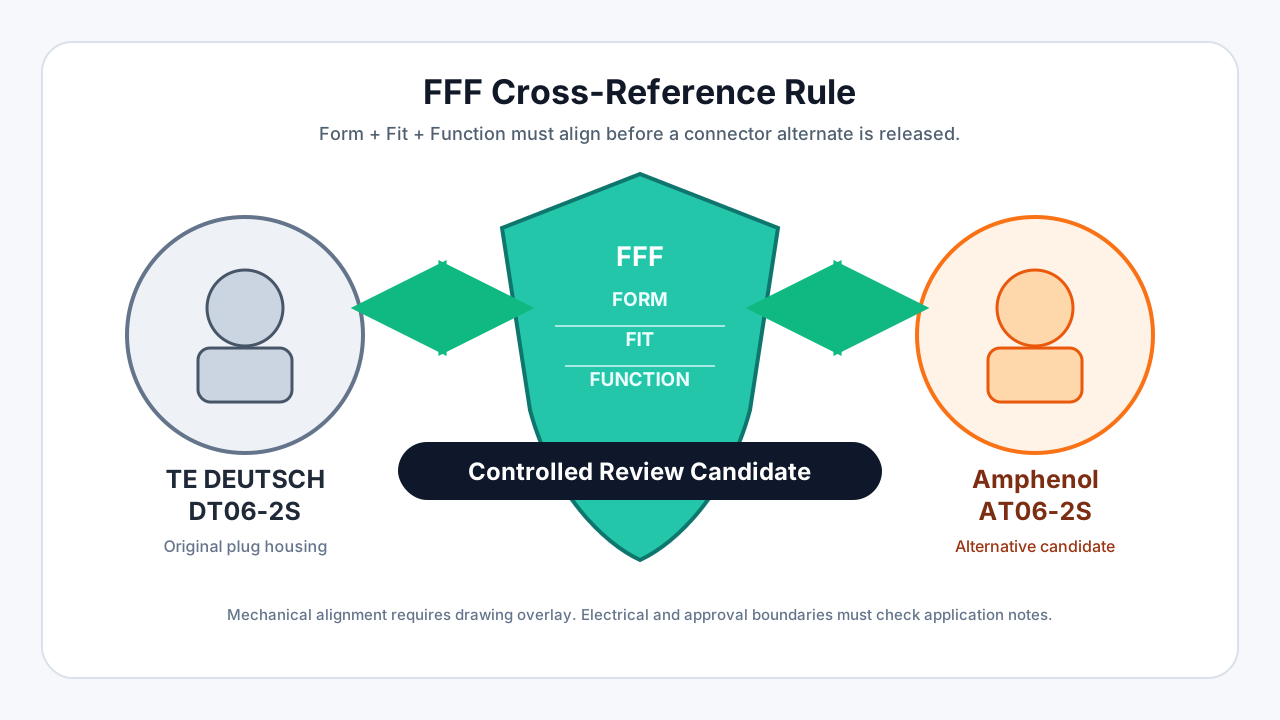
A technical TE Connectivity cross-reference guide for DEUTSCH DT, Amphenol AT, M8/M12, and Dynamic Series alternatives, with mechanical, electrical, tooling, sealing, and approval checks.
Electronic components blog
Semiconductor news, component sourcing insight, and obsolete parts guidance
Follow electronic components market updates, part selection guides, replacement strategies, EOL notices, and supply-chain risk signals built for sourcing teams and engineers.
Latest Articles
Latest semiconductor news and electronic component sourcing guides
Showing 3 articles connected to TE Connectivity, with coverage across semiconductor market signals, component sourcing decisions, cross-reference work, and lifecycle risk.
- TE Connectivity Cross-Reference Guide: DEUTSCH DT, M8/M12, and Dynamic Series Alternatives
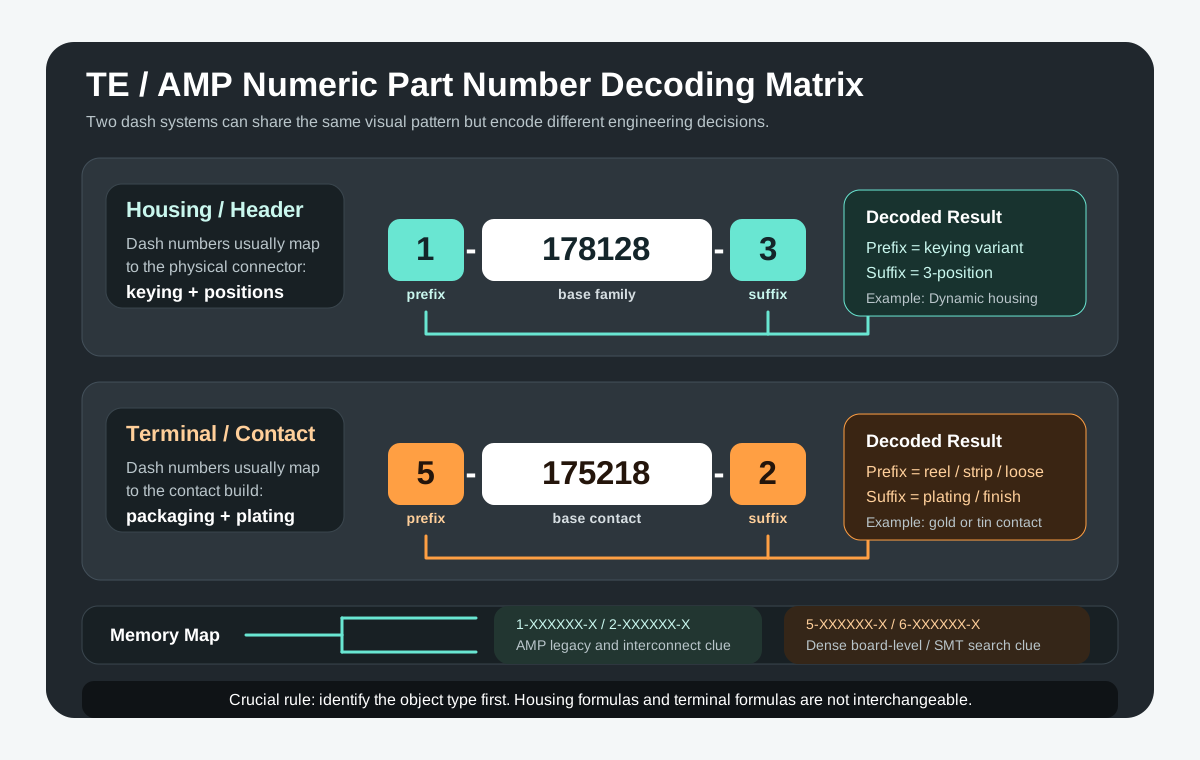
- Decoding TE Connectivity Part Numbers: A Practical Guide for Sourcing and Engineering
TE Connectivity part number decoding guide for AMP legacy, Dynamic, and DEUTSCH connectors, including dash codes and contact-gender pitfalls.
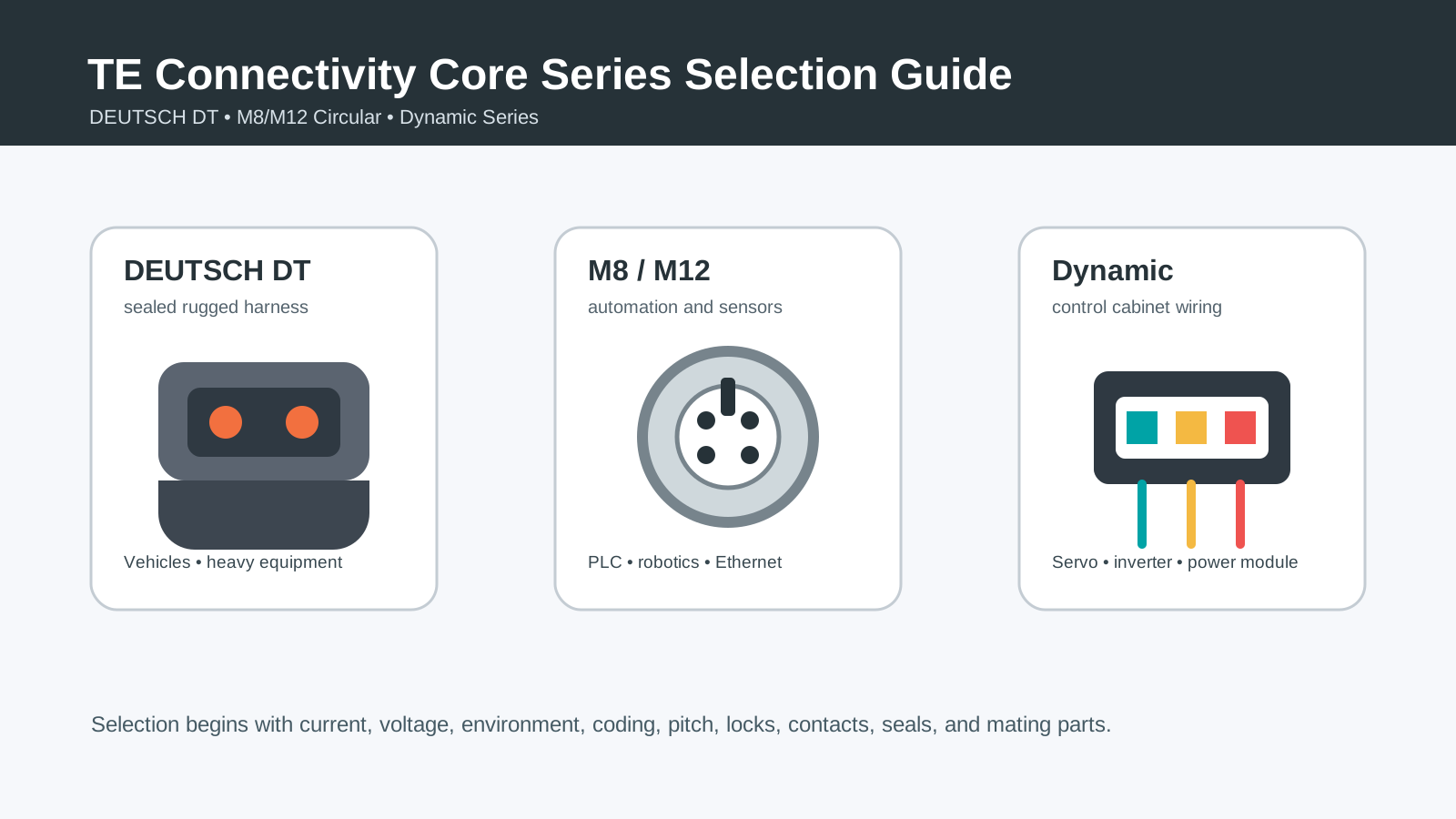
- TE Connectivity Core Series Selection Guide: DEUTSCH DT, M8/M12, and Dynamic Connectors
TE Connectivity connector selection guide for DEUTSCH DT, M8/M12, and Dynamic series, with BOM kit checks and sourcing tips.
Blog FAQ
Questions readers usually ask before digging deeper
A quick guide to what this archive covers, how it supports sourcing and engineering work, and how to navigate it efficiently.
What topics does the electronic components blog focus on?
The blog focuses on semiconductor market updates, component sourcing strategy, replacement-part analysis, obsolete and EOL risk, technical selection guidance, and supply-chain signals that affect real purchasing and engineering decisions.
Is this blog only for procurement teams?
No. It is written for sourcing teams, buyers, and engineers who need faster context on market moves, lifecycle signals, technical tradeoffs, second-source choices, and part-level decision making.
How should I use the topic filters on this page?
Use the topic filters to narrow the archive to one theme, such as pricing, cross-reference, obsolescence, or application-driven guidance, so you can review related posts without scanning the full list.
What is the best way to use the archive pages?
Start with the newest posts for current market signals, then move through older pages when you need broader historical context on sourcing patterns, manufacturer updates, and engineering decisions.