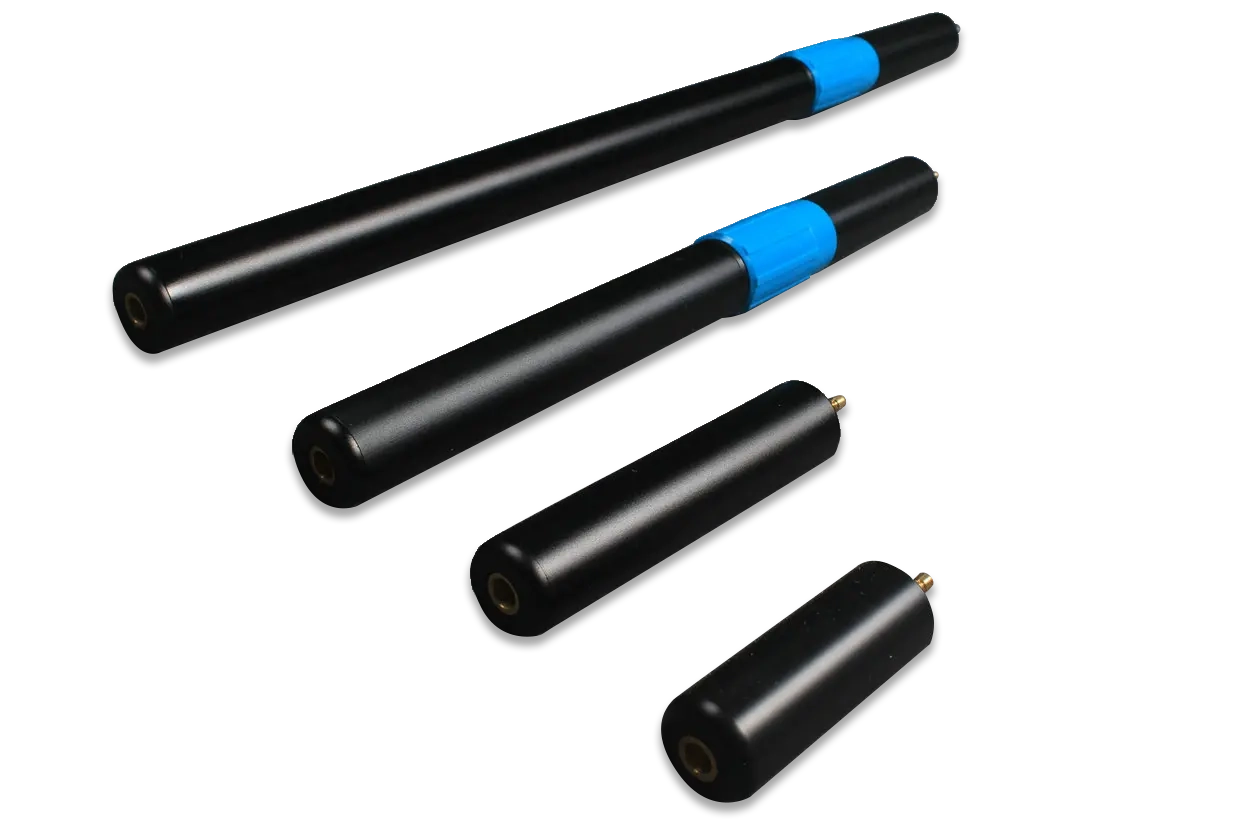
AC164164
128 purchased
Development Board
PIC-IoT WG development board for secure Wi-Fi-connected embedded applications and cloud-ready IoT demonstrations.
Reference price
Needs inquiry
E6240 is a Evaluation Boards - Sensors from Microchip Technology in manufacturer-listed packaging. It is commonly reviewed for KIT EVAL/DEV USING QT60240-ISG. This page lists current TrustCompo stock, tier pricing, package data, datasheet access, compliance attributes, Hong Kong warehouse shipping options, payment confirmation, and RFQ options for buyers verifying this exact ordering code.
E6240
TCE000063890
-
Quantum, QMatrix™
1
KIT EVAL/DEV USING QT60240-ISG
-
Trust signals
Review TrustCompo quality credentials, traceability support, anti-counterfeit handling, and inspection controls before sending an RFQ.
Quality management processes for more consistent sourcing and handling.
Aerospace-focused distribution controls for traceability and reliability.
Environmental management discipline across warehouse and operating workflows.
Electrostatic handling standards to help protect sensitive components.
RFQ checklist
Confirm the core buying details for E6240 before RFQ, PO release, and shipment planning.
Use the exact part number, manufacturer, package, and approval constraints in the RFQ.
Verify live availability, MOQ, lead time, final unit price, and tax terms before PO release.
Confirm datasheet, CoC, traceability, lifecycle notes, and inspection scope when required.
Release the PO and align DHL, FedEx, UPS, or buyer forwarder shipment from Hong Kong.
Before PO release
Technical parameters
Compare grouped E6240 parameters from Microchip Technology, including package, series, key attributes, and technical values used for engineering and sourcing review.
Product Parameter
UPs/UCs/Peripheral ICs Type
MICROCONTROLLER, RISC
Product Parameter
Terminal Finish
Matte Tin (Sn) - annealed
Product Parameter
Power Supplies
3.3/5V
Product Parameter
ROM Programmability
OTPROM
Product Parameter
Bit Size
8
Product Parameter
CPU Family
PIC
| Parameter | Value |
|---|---|
UPs/UCs/Peripheral ICs Type Specifies the functional category of the integrated circuit, such as microprocessor, microcontroller, or peripheral controller. This classification helps engineers quickly identify the device's role in a system. Verify the exact type against the datasheet to ensure compatibility with your application's processing and interface requirements. | MICROCONTROLLER, RISC |
Terminal Finish Specifies the plating material on component terminals, affecting solderability, corrosion resistance, and long-term reliability. Compare finishes like tin, gold, or silver for your assembly process and environmental requirements. Verify against datasheet for compliance. | Matte Tin (Sn) - annealed |
Power Supplies Specifies the required power supply voltages for the component. Engineers use this to ensure the board's power rails match the device's needs. Verify against the datasheet's recommended operating conditions to avoid undervoltage or overvoltage issues. | 3.3/5V |
ROM Programmability Indicates whether the read-only memory can be programmed or is factory-fixed. Buyers should verify if the device supports one-time or field programming, and check the datasheet for programming voltage and timing requirements. | OTPROM |
Bit Size Specifies the number of bits in a single data word for digital components. This determines the maximum data width the device can process or store. Compare bit sizes when selecting microcontrollers, ADCs, DACs, or memory chips to ensure compatibility with your system's data bus and processing requirements. | 8 |
CPU Family Identifies the processor architecture or family, such as ARM Cortex-M or RISC-V. This determines the instruction set, development tools, and software compatibility. Ensure the family matches your existing codebase and toolchain to minimize development effort and risk. | PIC |
DMA Channels Number of independent direct memory access channels available on the microcontroller or processor. Compare this when selecting devices for data-intensive applications to ensure sufficient bandwidth for peripherals without CPU load. Verify against the datasheet for exact channel mapping and features. | NO |
DAC Channels Number of digital-to-analog converter channels integrated in the device. Compare this to the number of analog outputs you need in your system. Verify against the datasheet to ensure the DAC resolution and output drive capability match your application requirements. | NO |
Has ADC Check this attribute to confirm whether the component integrates an analog-to-digital converter. This is critical for microcontrollers, sensors, and mixed-signal ICs where analog inputs need digital processing. Verify against the datasheet to ensure the ADC meets your resolution and sampling requirements. | NO |
PWM Channels Number of independent pulse-width modulation outputs available on the component. Compare this when selecting microcontrollers, motor drivers, or LED controllers to ensure enough channels for your application. Verify against the datasheet for channel mapping and shared timer limitations. | NO |
ROM (Words) Indicates the read-only memory capacity in words, representing the number of addressable storage units for firmware or fixed data. Compare sizes to ensure sufficient code space for your application. Check the datasheet for exact word width. | 1024 |
Supply Voltage Specifies the range of DC or AC input voltage the component requires for proper operation. Engineers compare this to the system power rail to ensure compatibility. Always verify against the datasheet's absolute maximum ratings to prevent damage. | 5V |
Speed Specifies the maximum clock frequency or data rate of the component. This is critical for timing and performance. Verify the speed grade in the datasheet to ensure it meets your system's throughput requirements and that signal integrity is maintained at that speed. | 1 MHz |
RAM Size (Bytes) Amount of volatile memory available for runtime data and stack. Larger RAM enables more complex applications and buffering. Compare with your software's memory footprint and verify against the datasheet to avoid overflow and ensure reliable operation. | 96 |
| Parameter | Value |
|---|---|
JESD-609 Code This code indicates the terminal finish material per JESD-609 standard. It helps identify the plating type for soldering compatibility and environmental compliance. Check the datasheet for the exact code and its meaning. | e3 |
Moisture Sensitivity Level (MSL) Indicates the floor life of a component before it must be baked prior to soldering. Higher levels require stricter handling and shorter exposure times. Verify the MSL rating in the datasheet to ensure proper storage and assembly conditions. | 1 (Unlimited) |
RoHS Status Indicates whether the component complies with the EU RoHS directive restricting hazardous substances. Buyers should verify this status for regulatory compliance and market access. Check the datasheet or certificate for exact compliance details. | ROHS3 Compliant |
ECCN Code Export Control Classification Number assigned by the U.S. Commerce Department. It determines export licensing requirements for electronic components. Verify the ECCN against the manufacturer's datasheet or export compliance documentation before shipping internationally. | 3A991.A.2 |
JESD-30 Code JEDEC standard code that defines the package outline and dimensions. Use it to verify physical compatibility and footprint before PCB design. Compare with the datasheet to ensure the component meets your assembly and manufacturing requirements. | R-PDSO-G18 |
HTSUS Harmonized Tariff Schedule of the United States code for customs classification. Essential for import/export documentation and duty calculation. Verify the correct code with a trade specialist to avoid customs delays. | 8471.41.0150 |
| Parameter | Value |
|---|---|
REACH Status Shows whether the component complies with the EU REACH regulation. Essential for legal market access in Europe. Check the manufacturer's latest statement to confirm that no substances of very high concern are present above the threshold. | REACH Unaffected |
ECCN Export Control Classification Number assigned by the U.S. government. Determines whether the component requires an export license. Essential for international trade compliance. Verify the ECCN with the manufacturer or supplier before shipping to avoid legal issues. | EAR99 |
Lead Free Indicates whether the component is manufactured without lead, complying with RoHS and similar regulations. Check this attribute to ensure environmental compliance for your market. Verify against the datasheet for exact material declarations. | Lead Free |
Published Published indicates the date when the product data was released or updated in the catalog. It helps buyers assess the freshness of the information and whether the component is current or possibly obsolete. Check the datasheet for the latest revisions. | 2006 |
Packaging Indicates the form of delivery for the component, such as tape and reel, tube, or tray. This affects handling, storage, and assembly processes. Verify the packaging type matches your production requirements and equipment compatibility. | Box |
Minimum Operating Temperature Specifies the lowest ambient temperature at which the component is guaranteed to function within its electrical and mechanical specifications. Verify this limit against the datasheet for your application's thermal environment, especially for automotive or industrial designs. | -40°C |
Part Status Lifecycle status of the part, such as active or obsolete. Indicates availability and long-term support from the manufacturer. Check this before design-in to avoid last-time buys or supply disruptions. Verify with the datasheet or distributor for current status. | Obsolete |
Max Operating Temperature Specifies the highest ambient temperature at which the component reliably functions. Compare this limit with your application's thermal environment to ensure safe operation. Always verify against the datasheet's derating curves and test conditions, as exceeding this value may cause performance degradation or permanent damage. | 85°C |
Terminal Position Position of the terminals on the package, such as dual-in-line, gull-wing, or J-lead. This affects PCB layout, soldering, and thermal performance. Engineers must ensure the terminal position matches the footprint and assembly capabilities of their manufacturing line. | DUAL |
Peak Reflow Temperature (Cel) Maximum temperature during reflow soldering that the component can withstand. This is critical for solder joint reliability and preventing damage. Verify that the peak reflow temperature is compatible with your soldering profile and the component's moisture sensitivity level. | 260 |
Terminal Form Describes the physical configuration of the component's leads or pads, such as through-hole, surface mount, or gull-wing. This affects PCB layout, soldering process, and mechanical fit. Confirm compatibility with your assembly method and footprint. | GULL WING |
Supply Voltage Specifies the nominal operating voltage that must be applied to the component for proper function. Verify this value against your system's power rail and the datasheet's absolute maximum ratings to ensure reliable operation and avoid damage. | 5V |
Technology Manufacturing technology or process used for the component, such as thin film, thick film, or semiconductor process. Affects performance, stability, and cost. Confirm the technology matches your application requirements and environmental conditions. | CMOS |
Subcategory A more specific classification within the main product category, such as 'Ceramic Capacitor' under 'Capacitors'. This helps narrow down search results and compare similar components. Use it to filter products with similar characteristics and intended applications. | Microcontrollers |
Mounting Type Specifies how the component attaches to the PCB or assembly, such as surface mount, through-hole, or chassis mount. This affects soldering process, mechanical stability, and thermal performance. Verify compatibility with your board layout and assembly capabilities. | Cable |
HTS Code Harmonized Tariff Schedule code used for customs classification of electronic components. Helps determine duties and regulatory requirements. Buyers should confirm the code with a customs broker for accurate shipping. | 8542.31.00.01 |
Manufacturer Identifies the company that designed and produced the component. Buyers often filter by manufacturer to ensure brand reliability, quality standards, and supply chain consistency. Verify the manufacturer against the datasheet and official packaging to avoid counterfeit parts. | Microchip Technology |
Interface Specifies the communication protocol or interface type used by the component, such as I2C, SPI, UART, or USB. This determines how the device connects to a microcontroller or system. Verify compatibility with your host controller and bus voltage levels before design-in. | I2C, USB |
Reflow Temperature-Max (S) Maximum time the component can be exposed to the peak reflow temperature during soldering. Exceeding this duration may cause damage or degrade reliability. Ensure your soldering profile stays within this limit and check the datasheet for exact conditions. | 40 |
Width Physical width of the component body, typically in millimeters. Essential for PCB footprint design and mechanical fit. Verify against the datasheet to ensure proper clearance and compatibility with your board layout and enclosure. | 7.5mm |
On-Chip Program ROM Width Specifies the bit width of the on-chip program ROM in microcontrollers and SoCs. Wider ROM allows larger firmware and more complex instructions. Verify against the datasheet to ensure compatibility with your code size and memory architecture. | 14 |
Pb-Free Code Indicates whether the component is lead-free per RoHS or other directives. Buyers use this to verify environmental compliance and avoid restricted substances. Always confirm with the datasheet or certificate of compliance. | yes |
Terminal Pitch Terminal pitch is the center-to-center distance between adjacent leads or pads on a component. It determines PCB layout compatibility and soldering feasibility. Verify against the datasheet to ensure your footprint matches the component's actual lead spacing. | 1.27mm |
Number Of Terminations Indicates the total number of electrical connection points on the component, such as pins or pads. This is critical for PCB footprint design and assembly. Verify it matches the package specification to ensure proper soldering and connectivity. | 18 |
Length Specifies the physical length of the component body, typically in millimeters. This dimension is critical for PCB layout and mechanical fit. Verify against the datasheet to ensure proper clearance and alignment in your design. | 11.55mm |
Pin Count Total number of pins or terminals on the component package. Essential for footprint design, PCB layout, and connector mating. Verify against the datasheet to ensure compatibility with your board and assembly process. | 18 |
Evaluation Kit Check if an evaluation kit is offered for this component. Evaluation kits help engineers test functionality and performance before integrating into a design. Verify availability and contents against the datasheet or product page. | Yes |
Operating Supply Voltage Specifies the voltage range within which the component operates correctly. Check the datasheet to ensure your power supply meets the minimum and maximum limits, as exceeding them can damage the device or cause malfunction. | 5.5V |
Number Of I/O Total number of input/output pins or channels available on the device. Determines connectivity and interface capability. Verify against your system requirements and datasheet to ensure sufficient I/O for your application. | 13 |
Temperature Grade Defines the operating temperature range classification for the component, such as commercial, industrial, or automotive. This indicates the environmental conditions the device can withstand. Ensure the grade matches your application's ambient temperature requirements. | COMMERCIAL |
Utilized IC / Part Specifies the integrated circuit or discrete component that is the core of the module or reference design. Buyers compare this to ensure compatibility with their application. Always verify the exact part number and its datasheet for electrical characteristics. | QT60160, QT60240 |
Categories Lists the product categories or classifications assigned to this component, such as connectors, capacitors, or modules. This helps in filtering and comparing similar parts. Review the categories to ensure the component fits your application and to find alternative parts in the same class. | Development Boards, Kits, Programmers |
Embedded Indicates whether the component or module is designed for embedded systems, meaning it is intended for integration into a larger electronic system. Engineers use this to filter products suitable for firmware development and real-time operation. Confirm with the datasheet for specific embedded features. | No |
Sub-Categories Indicates the specific product subcategories or classifications within the broader component family. Helps narrow down search results and identify the exact type of component needed for your design. Review the subcategory to ensure compatibility with your application. | Evaluation Boards - Sensors |
Clock Frequency Operating frequency of the clock signal that drives the device. Determines processing speed and timing accuracy. Compare with your system's required clock rate and check the datasheet for maximum and typical values. | 4MHz |
Sensor Type Specifies the underlying sensing technology, such as optical, inductive, or capacitive. This determines the sensor's operating principle and application suitability. Verify the exact type against the datasheet to ensure compatibility with your target environment and measurement requirements. | Touch, Capacitive |
Manufacturer'S Part No. The unique part number assigned by the original component manufacturer. Use this to cross-reference datasheets, verify specifications, and ensure the exact component matches your design requirements. Always confirm the number against the manufacturer's official documentation. | E6240 |
Supplied Contents Indicates the items included in the product package, such as cables, connectors, mounting hardware, or documentation. Verify this list against the datasheet or manual to ensure you have all necessary components for installation and operation. | Board(s), Cable(s) |
Sensing Range Maximum distance at which the sensor reliably detects an object. Compare this range with your application's required detection distance. Always verify against the datasheet, as actual performance may vary with target material and environmental conditions. | 16 / 24 Buttons/Keys |
Series Indicates the product series or family, grouping components with similar design and specifications. Helps identify compatible parts and compare within a product line. Verify the series against the datasheet to ensure correct application. | Quantum, QMatrix™ |
| Parameter | Value |
|---|---|
Height Seated (Max) Maximum vertical dimension from the seating plane to the top of the component body. Critical for PCB clearance and enclosure fit. Verify against the datasheet when designing mechanical constraints or checking compatibility with mating parts. | 2.64mm |
Datasheet preview
Preview the E6240 datasheet from Microchip Technology to check package, electrical characteristics, application notes, and document evidence before RFQ.
Notice documents
No public product notice document is currently displayed for E6240. Confirm PCN, PDN, EOL, date code, and lifecycle status during RFQ before production purchase.
Related sourcing options
Explore related Evaluation Boards - Sensors products to compare fit, stock status, datasheets, and sourcing options.
PIC-IoT WG development board for secure Wi-Fi-connected embedded applications and cloud-ready IoT demonstrations.
SAM-IoT WG development board for Wi-Fi-enabled sensor node evaluation based on a SAMD21 microcontroller.
Freedom development platform for Kinetis K64, K63, and K24 MCUs with Ethernet, microSD, and Arduino compatibility.
STM32 Nucleo-64 development board for the STM32F446RE MCU with Arduino Uno and ST morpho expansion headers.
PSoC 62S2 Wi-Fi and Bluetooth Pioneer Kit for secure IoT and low-power embedded application development.
C2000 LaunchPad development kit for the F280049C real-time controller with BoosterPack expansion support.
Common questions
Targeted answers for buyers verifying the exact E6240 ordering code, packaging, stock, datasheet, and replacement path.
E6240 is the exact ordering code listed for a Evaluation Boards - Sensors component from Microchip Technology. The current package reference is -, with listed context including KIT EVAL/DEV USING QT60240-ISG. Buyers should use the full code when requesting stock, price, datasheet, or compliance confirmation.
Treat E6240 as the full ordering code during RFQ and engineering review. Confirm the listed - package, manufacturer documentation from Microchip Technology, datasheet ordering table, reel or packing details, and any customer approval constraints before substitution or PO release.
E6240 is currently listed with package reference - from Microchip Technology. Buyers should confirm the manufacturer package drawing, footprint, pinout, tape-and-reel details, and receiving requirements before approval.
E6240 is currently marked with stock availability on this page. Before ordering, confirm the package (-), listed stock (71782), available quantity (66859), required quantity, lead time, final price, compliance needs, and exact ordering code match through RFQ.
A mapped alternative list is not currently published for E6240. Send an RFQ with the target quantity, package constraints, and approval requirements so TrustCompo can help review credible replacement options.