
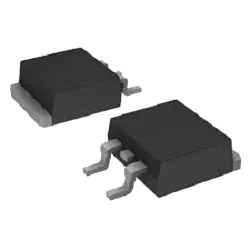
LM22676MRE-ADJ/NOPB PMIC - Voltage Regulators - DC DC Switching Regulators by Texas Instruments
LM22676MRE-ADJ/NOPB is a PMIC - Voltage Regulators - DC DC Switching Regulators from Texas Instruments in manufacturer-listed packaging. It is commonly reviewed for IC REG BUCK ADJ 3A 8SOPWRPAD. This page lists current TrustCompo stock, tier pricing, package data, datasheet access, compliance attributes, Hong Kong warehouse shipping options, payment confirmation, and RFQ options for buyers verifying this exact ordering code.
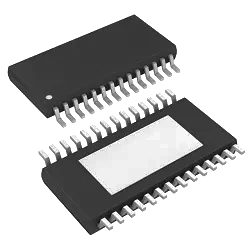
Pictures are for reference only. Please contact us for the latest pictures.

- 365-Day GuaranteeAfter-sales support helps buyers handle quality questions with a clearer return and review window.
- Ships within 24-48 HoursAvailable items can move quickly once the quote, quantity, and delivery details are confirmed.
- 100% Anti-Counterfeit TestedParts are checked through authenticity-focused handling and inspection before shipment.
Key specifications
- Part Number
LM22676MRE-ADJ/NOPB
- Internal code
TCE000108196
- Package
-
- Manufacturer
- Texas Instruments
Key specifications
- Series
SIMPLE SWITCHER®
- Min Quantity
1
- Category
- Integrated Circuits (ICs)
- Description
IC REG BUCK ADJ 3A 8SOPWRPAD
- key Attributes
-
Trust signals
Quality and trust signals
Review TrustCompo quality credentials, traceability support, anti-counterfeit handling, and inspection controls before sending an RFQ.
4 certifications
ISO 9001
Quality management processes for more consistent sourcing and handling.
AS9120B
Aerospace-focused distribution controls for traceability and reliability.
ISO 14001
Environmental management discipline across warehouse and operating workflows.
ESD Control
Electrostatic handling standards to help protect sensitive components.
RFQ checklist
Order process
Confirm the core buying details for LM22676MRE-ADJ/NOPB before RFQ, PO release, and shipment planning.
- 1
Confirm MPN
Use the exact part number, manufacturer, package, and approval constraints in the RFQ.
- 2
Check stock and price
Verify live availability, MOQ, lead time, final unit price, and tax terms before PO release.
- 3
Align documents
Confirm datasheet, CoC, traceability, lifecycle notes, and inspection scope when required.
- 4
Arrange shipment
Release the PO and align DHL, FedEx, UPS, or buyer forwarder shipment from Hong Kong.
Before PO release
Part confirmation
- Exact MPN confirmed: LM22676MRE-ADJ/NOPB
- Package to verify: -
Commercial confirmation
- Live stock and lead time confirmed by RFQ
- Final price and tax terms confirmed before PO release
Fulfillment & documents
- Ship-from location: Hong Kong warehouse
- Shipping method: DHL, FedEx, UPS, or buyer forwarder account
Product overview
Product overview
Review the sourcing context for LM22676MRE-ADJ/NOPB from Texas Instruments, including product identity, application fit, package notes, and purchasing considerations.
Description:
The LM22676MRE-ADJ/NOPB is an integrated circuit from Texas Instruments that is part of the SIMPLE SWITCHER® series of DC switching regulators. It is a step-down regulator with an adjustable output voltage and a maximum output current of 3 A. It has a minimum supply voltage of 4.5 V and an operating temperature range of -40°C to 125°C (TJ).
The switching frequency is adjustable from 400 kHz to 600 kHz. It is available in an 8-PowerSSOP package.
Features:
* Adjustable output voltage
* Maximum output current of 3 A
* Minimum supply voltage of 4.5 V
* Operating temperature range of -40°C to 125°C (TJ)
* Switching frequency adjustable from 400 kHz to 600 kHzApplications:
* Automotive
* Industrial
* Consumer
* Portable devices
* Battery-powered systems
Technical parameters
Parameters
Compare grouped LM22676MRE-ADJ/NOPB parameters from Texas Instruments, including package, series, key attributes, and technical values used for engineering and sourcing review.
Export Classifications & Environmental
JESD-609 Code
e3
Export Classifications & Environmental
RoHS Status
ROHS3 Compliant
Export Classifications & Environmental
REACH SVHC
No SVHC
Export Classifications & Environmental
HTSUS
8542.39.0001
Export Classifications & Environmental
Moisture Sensitivity Level (MSL)
3 (168 Hours)
Export Classifications & Environmental
ECCN Code
EAR99
| Parameter | Value |
|---|---|
JESD-609 Code This code indicates the terminal finish material per JESD-609 standard. It helps identify the plating type for soldering compatibility and environmental compliance. Check the datasheet for the exact code and its meaning. | e3 |
RoHS Status Indicates whether the component complies with the EU RoHS directive restricting hazardous substances. Buyers should verify this status for regulatory compliance and market access. Check the datasheet or certificate for exact compliance details. | ROHS3 Compliant |
REACH SVHC Indicates whether the product contains substances of very high concern as per the REACH regulation. Buyers should verify this for compliance with EU environmental standards, especially when exporting to Europe. Check the manufacturer's declaration or datasheet for accurate SVHC status. | No SVHC |
HTSUS Harmonized Tariff Schedule of the United States code for customs classification. Essential for import/export documentation and duty calculation. Verify the correct code with a trade specialist to avoid customs delays. | 8542.39.0001 |
Moisture Sensitivity Level (MSL) Indicates the floor life of a component before it must be baked prior to soldering. Higher levels require stricter handling and shorter exposure times. Verify the MSL rating in the datasheet to ensure proper storage and assembly conditions. | 3 (168 Hours) |
ECCN Code Export Control Classification Number assigned by the U.S. Commerce Department. It determines export licensing requirements for electronic components. Verify the ECCN against the manufacturer's datasheet or export compliance documentation before shipping internationally. | EAR99 |
| Parameter | Value |
|---|---|
Output Configuration Specifies the topology of the output stage, such as push-pull, open collector, or half-bridge. This determines how the device drives loads and interfaces with external circuitry. Verify against the datasheet to ensure compatibility with your application's requirements. | Positive |
Control Technique Specifies the switching regulator control method, such as PWM, PFM, or burst mode. This affects efficiency, noise, and transient response. Engineers should verify the technique against the datasheet to ensure it matches the application's power requirements and EMI constraints. | PULSE WIDTH MODULATION |
Control Mode Defines the control method used by a power management IC, such as voltage mode, current mode, or hysteretic. This affects transient response, stability, and external component selection. Ensure the mode matches your application's performance needs. | VOLTAGE-MODE |
Analog IC - Other Type Select this category when the analog integrated circuit does not fit standard classifications like op-amps, comparators, or regulators. Verify the exact function and pinout in the datasheet to ensure compatibility with your circuit design and performance requirements. | SWITCHING REGULATOR |
Nominal Input Voltage Specifies the typical input voltage level for which the component is designed to operate. Compare this value with your power supply output to ensure compatibility. Always verify against the datasheet for absolute maximum ratings and operating conditions. | 12V |
Topology Specifies the internal circuit architecture of the power converter, such as flyback, forward, or buck. This determines efficiency, isolation, and component stress. Engineers must verify topology against the datasheet to ensure it matches the intended application and operating conditions. | Buck |
Function Specifies the logical or operational function of the component, such as switching, amplification, or regulation. This attribute helps identify the device's role in a circuit. Verify the function against the datasheet to ensure it matches your application requirements. | Step-Down |
| Parameter | Value |
|---|---|
Part Status Lifecycle status of the part, such as active or obsolete. Indicates availability and long-term support from the manufacturer. Check this before design-in to avoid last-time buys or supply disruptions. Verify with the datasheet or distributor for current status. | Active |
REACH Status Shows whether the component complies with the EU REACH regulation. Essential for legal market access in Europe. Check the manufacturer's latest statement to confirm that no substances of very high concern are present above the threshold. | REACH Unaffected |
ECCN Export Control Classification Number assigned by the U.S. government. Determines whether the component requires an export license. Essential for international trade compliance. Verify the ECCN with the manufacturer or supplier before shipping to avoid legal issues. | EAR99 |
Lead Free Indicates whether the component is manufactured without lead, complying with RoHS and similar regulations. Check this attribute to ensure environmental compliance for your market. Verify against the datasheet for exact material declarations. | Lead Free |
Mounting Type Specifies how the component is attached to the PCB, such as through-hole or surface mount. This affects assembly processes, thermal performance, and mechanical strength. Buyers should verify compatibility with their manufacturing capabilities and design requirements. | Surface Mount |
Factory Lead Time Indicates the typical duration from order confirmation to shipment from the manufacturer's facility. This helps you plan production schedules and inventory. Verify current lead times with your distributor or supplier, as they may vary based on order quantity, product availability, and market conditions. | 6 Weeks |
Packaging Indicates the form of delivery for the component, such as tape and reel, tube, or tray. This affects handling, storage, and assembly processes. Verify the packaging type matches your production requirements and equipment compatibility. | Tape & Reel (TR) |
Termination Describes the method used to connect the component to the circuit board, such as solder, press-fit, or wire wrap. This affects assembly processes, reliability, and repairability. Check the termination type against your PCB footprint and soldering process to ensure compatibility. | SMD/SMT |
Categories Lists the product categories or classifications assigned to this component, such as connectors, capacitors, or modules. This helps in filtering and comparing similar parts. Review the categories to ensure the component fits your application and to find alternative parts in the same class. | Integrated Circuits (ICs) |
Terminal Position Position of the terminals on the package, such as dual-in-line, gull-wing, or J-lead. This affects PCB layout, soldering, and thermal performance. Engineers must ensure the terminal position matches the footprint and assembly capabilities of their manufacturing line. | DUAL |
Peak Reflow Temperature (Cel) Maximum temperature during reflow soldering that the component can withstand. This is critical for solder joint reliability and preventing damage. Verify that the peak reflow temperature is compatible with your soldering profile and the component's moisture sensitivity level. | 260 |
Terminal Form Describes the physical configuration of the component's leads or pads, such as through-hole, surface mount, or gull-wing. This affects PCB layout, soldering process, and mechanical fit. Confirm compatibility with your assembly method and footprint. | GULL WING |
Manufacturer Identifies the company that designed and produced the component. Buyers often filter by manufacturer to ensure brand reliability, quality standards, and supply chain consistency. Verify the manufacturer against the datasheet and official packaging to avoid counterfeit parts. | Texas |
Minimum Supply Voltage Specifies the lowest DC input voltage at which the component reliably operates. Compare this value with your system's power rail tolerances and the device's recommended operating conditions to ensure stable performance across all load and temperature ranges. | 4.5V |
Operating Temperature Specifies the ambient temperature range within which the component reliably functions. Compare this with your application's thermal environment to ensure proper operation. Always verify against the datasheet for derating curves and maximum ratings. | -40°C~125°C TJ |
Width Physical width of the component body, typically in millimeters. Essential for PCB footprint design and mechanical fit. Verify against the datasheet to ensure proper clearance and compatibility with your board layout and enclosure. | 3.9mm |
Output Type Specifies the electrical form of the output signal, such as digital, analog, or open collector. This determines how the component interfaces with your circuit. Verify the output type against your system requirements and the datasheet to ensure proper signal compatibility and avoid logic level mismatches. | Adjustable |
Series Indicates the product series or family, grouping components with similar design and specifications. Helps identify compatible parts and compare within a product line. Verify the series against the datasheet to ensure correct application. | SIMPLE SWITCHER® |
Contact Plating Specifies the metal coating applied to the contact surfaces of connectors, switches, or relays. This finish affects conductivity, corrosion resistance, and durability. Engineers should verify the plating material and thickness against the datasheet to ensure reliable performance in the intended environment. | Tin |
Mounting Type Specifies how the component attaches to the PCB or assembly, such as surface mount, through-hole, or chassis mount. This affects soldering process, mechanical stability, and thermal performance. Verify compatibility with your board layout and assembly capabilities. | Surface Mount |
Pb-Free Code Indicates whether the component is lead-free per RoHS or other directives. Buyers use this to verify environmental compliance and avoid restricted substances. Always confirm with the datasheet or certificate of compliance. | yes |
Number Of Outputs Specifies how many independent output channels the component provides. Compare this when selecting power supplies, drivers, or modules to ensure the device can drive all required loads. Always verify against the datasheet for exact output configuration. | 1 |
Number Of Pins Total number of pins or contacts on the component. This determines the footprint and mating connector requirements. Always match the pin count to your PCB layout and connector specification to ensure proper electrical and mechanical connection. | 8 |
Number Of Terminations Indicates the total number of electrical connection points on the component, such as pins or pads. This is critical for PCB footprint design and assembly. Verify it matches the package specification to ensure proper soldering and connectivity. | 8 |
Thickness Thickness of the component, a critical dimension for PCB clearance, enclosure fit, and thermal performance. This measurement is especially important for capacitors, inductors, and connectors. Ensure the thickness meets your design constraints and does not interfere with adjacent components. Check the datasheet for tolerance and recommended mounting height. | 1.48mm |
Package / Case Physical package or case type of the component, defining its dimensions, mounting style, and thermal characteristics. Common types include SMD, through-hole, BGA, and QFN. Choose the package that fits your PCB layout and assembly process. Verify the exact package code in the datasheet for footprint compatibility. | 8-PowerSOIC (0.154, 3.90mm Width) |
Height Physical height of the component, measured from the mounting surface to the topmost point. This dimension is critical for clearance in compact assemblies and for ensuring proper fit within enclosures. Always verify against the datasheet for tolerance and mounting considerations. | 1.7mm |
Length Specifies the physical length of the component body, typically in millimeters. This dimension is critical for PCB layout and mechanical fit. Verify against the datasheet to ensure proper clearance and alignment in your design. | 4.89mm |
Max Junction Temperature (Tj) Specifies the highest temperature the semiconductor junction can sustain without damage or degradation. Compare this limit with your operating conditions and thermal management to ensure reliable performance. Verify against the datasheet for derating curves and long-term reliability. | 125°C |
Max Output Voltage Specifies the highest voltage the device can deliver at its output under specified conditions. Compare this limit with your application's supply and load requirements to ensure safe operation and avoid overvoltage damage. | 37V |
Quiescent Current Quiescent current is the current drawn by the device when it is in standby or no-load condition. It affects battery life in portable applications. Compare this value across similar components to ensure low power consumption. Always verify against the datasheet for your specific operating conditions. | 3.4mA |
Frequency Operating frequency of the component, typically the clock or switching frequency. This determines the speed of operation and affects power dissipation and signal integrity. Verify the frequency range against your application's requirements and the datasheet specifications. | 500kHz |
Operating Supply Voltage Specifies the voltage range within which the component operates correctly. Check the datasheet to ensure your power supply meets the minimum and maximum limits, as exceeding them can damage the device or cause malfunction. | 42V |
Efficiency Efficiency indicates how effectively a power component converts input power into useful output power, expressed as a percentage. Higher efficiency means less energy lost as heat, which is critical for thermal management and system reliability. Always verify the efficiency curve in the datasheet under your operating conditions. | 90 % |
Synchronous Rectifier Indicates whether the device uses synchronous rectification to improve efficiency by replacing diodes with low-resistance MOSFETs. Check this attribute when comparing power supply designs, as it affects thermal performance and conversion losses. Verify against the datasheet for the specific topology. | No |
Lifecycle Status Current stage in the product's lifecycle, such as Active, Obsolete, or End of Life. This indicates availability and long-term supply risk. Check this before designing in a part to ensure it will be available for your product's production lifetime. | ACTIVE (Last Updated: 19 hours ago) |
Max Output Current Specifies the highest continuous current the device can supply at its output without exceeding thermal or electrical limits. Compare this value with your load requirements and derating curves. Always verify against the datasheet for your operating conditions. | 3A |
Voltage - Output (Max) Specifies the highest output voltage the component can provide under specified conditions. Compare this value with your circuit requirements to ensure compatibility. Always verify against the datasheet for exact limits and tolerances. | 37V |
Sub-Categories Indicates the specific product subcategories or classifications within the broader component family. Helps narrow down search results and identify the exact type of component needed for your design. Review the subcategory to ensure compatibility with your application. | PMIC - Voltage Regulators - DC DC Switching Regulators |
Max Supply Voltage Indicates the highest DC or AC voltage that can be safely applied to the power supply pin without risking damage or malfunction. Verify this limit against the datasheet before designing your circuit to ensure reliable operation under all conditions. | 42V |
Output Voltage Specifies the regulated voltage level available at the output pin under specified load and input conditions. Compare this value with your circuit requirements and verify against the datasheet's tolerance and temperature derating. | 1.285V |
Minimum Output Voltage Specifies the lowest output voltage the component can reliably provide under specified conditions. Compare this value with your circuit's minimum required voltage to ensure proper operation. Always verify against the datasheet's electrical characteristics and test conditions. | 1.285V |
Base Part Number Identifies the core product family without package, grade, or option suffixes. Use this to compare equivalent components across manufacturers and to locate the primary datasheet. Verify the full ordering code against the manufacturer's specification before design-in. | LM22676 |
Manufacturer'S Part No. The unique part number assigned by the original component manufacturer. Use this to cross-reference datasheets, verify specifications, and ensure the exact component matches your design requirements. Always confirm the number against the manufacturer's official documentation. | LM22676MRE-ADJ/NOPB |
Notice documents
PCN / product notice documents
0 documents
No public PCN / PDN records currently displayed
No public product notice document is currently displayed for LM22676MRE-ADJ/NOPB. Confirm PCN, PDN, EOL, date code, and lifecycle status during RFQ before production purchase.
Related sourcing options
Recommended products
Explore related PMIC - Voltage Regulators - DC DC Switching Regulators products to compare fit, stock status, datasheets, and sourcing options.

Common questions
Product FAQ
Targeted answers for buyers verifying the exact LM22676MRE-ADJ/NOPB ordering code, packaging, stock, datasheet, and replacement path.
What does LM22676MRE-ADJ/NOPB mean?
LM22676MRE-ADJ/NOPB is the exact ordering code listed for a PMIC - Voltage Regulators - DC DC Switching Regulators component from Texas Instruments. The current package reference is -, with listed context including IC REG BUCK ADJ 3A 8SOPWRPAD. Buyers should use the full code when requesting stock, price, datasheet, or compliance confirmation.
How should buyers verify the LM22676MRE-ADJ/NOPB ordering code?
Treat LM22676MRE-ADJ/NOPB as the full ordering code during RFQ and engineering review. Confirm the listed - package, manufacturer documentation from Texas Instruments, datasheet ordering table, reel or packing details, and any customer approval constraints before substitution or PO release.
What package is LM22676MRE-ADJ/NOPB supplied in?
LM22676MRE-ADJ/NOPB is currently listed with package reference - from Texas Instruments. Buyers should confirm the manufacturer package drawing, footprint, pinout, tape-and-reel details, and receiving requirements before approval.
Is LM22676MRE-ADJ/NOPB currently available?
LM22676MRE-ADJ/NOPB is currently marked with stock availability on this page. Before ordering, confirm the package (-), listed stock (27743), available quantity (27743), required quantity, lead time, final price, compliance needs, and exact ordering code match through RFQ.
Where can I compare LM22676MRE-ADJ/NOPB alternatives?
A mapped alternative list is not currently published for LM22676MRE-ADJ/NOPB. Send an RFQ with the target quantity, package constraints, and approval requirements so TrustCompo can help review credible replacement options.